April 1, 2026
The modern homeowner values privacy and outdoor space more than ever before. As urban areas become more densely populated, the need for private and secure outdoor environments is increasingly recognized. Residential fencing plays a crucial role in fulfilling these needs, serving as a physical barrier that delineates personal space and enhances the functional use of outdoor areas. With trends leaning towards maximizing both the aesthetic and practical aspects of outdoor living, fences have become an essential investment for many households. According to the U.S. Census Bureau, millions of U.S. housing units integrate perimeter fencing into their exterior structures, underscoring their importance in modern residential design, often with the assistance of experienced fence companies.
Types of Fences That Maximize Privacy
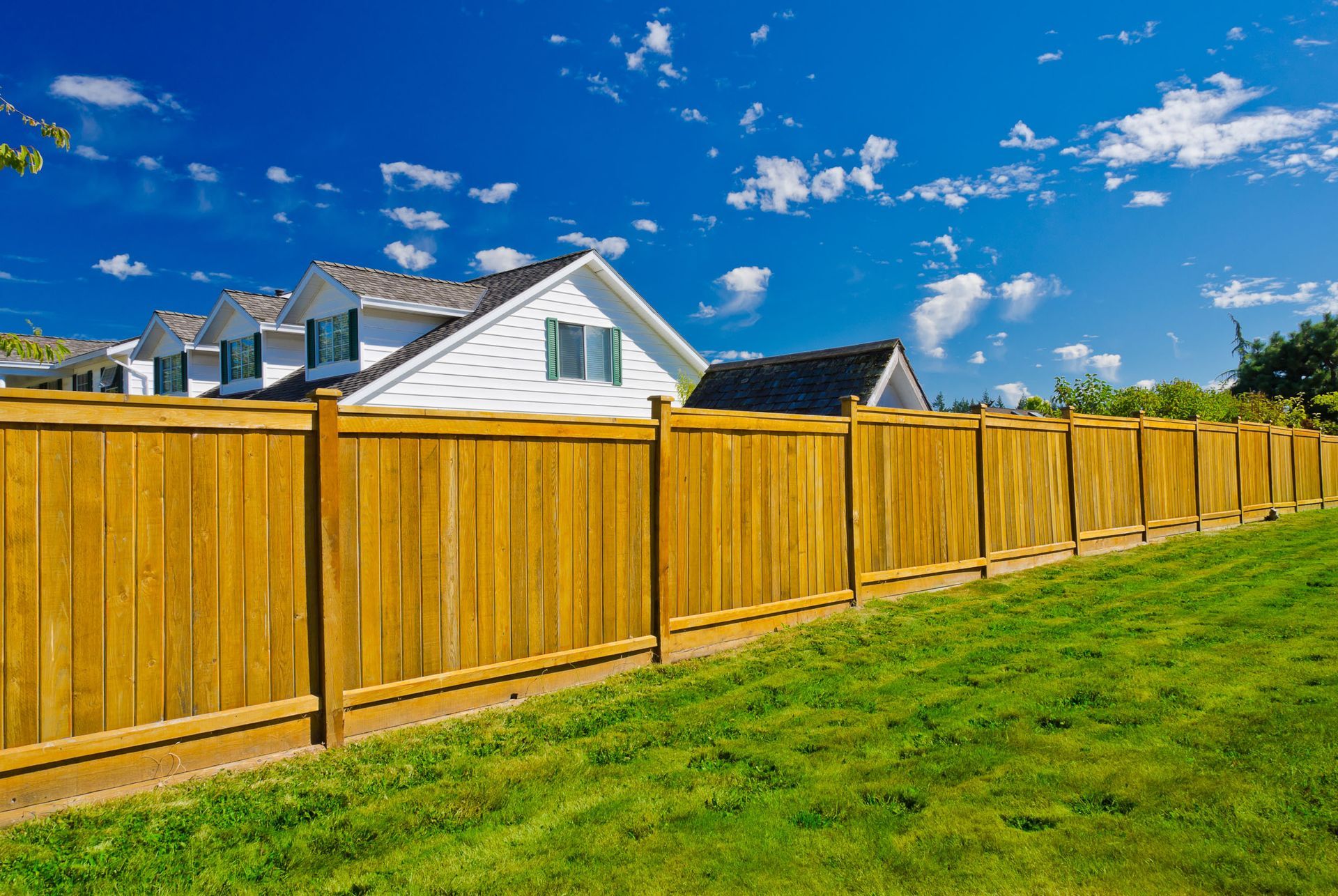
Privacy is a paramount concern for many homeowners, and selecting the right type of fence can significantly enhance the seclusion and intimacy of a residential space. Solid panel fences, typically constructed from wood or vinyl, remain popular due to their ability to provide complete visual screening. These fences are generally taller and offer no gaps, creating impenetrable barriers to sightlines from neighboring properties. Apart from traditional solid designs, shadowbox fencing offers an alternative that combines privacy with aesthetic sophistication through staggered panel arrangements, a style frequently recommended by fence companies for its balance of form and function.
Other effective privacy-enhancing options include lattice and bamboo fences. Latticework provides partial privacy while allowing light and air to pass through, making it suitable for decorating with climbing plants that can further augment privacy. Bamboo fencing provides a natural, eco-friendly look and is available in various heights and thicknesses, offering flexible privacy solutions for different landscapes and architectural styles. By considering these varied options, homeowners can choose a fencing type that best accommodates their privacy needs and matches their property's aesthetic, often with guidance from local fence companies familiar with different materials and designs.
For a more robust privacy solution, homeowners can combine fencing with natural barriers such as hedging and trees. Vegetation can act as an additional layer of protection, providing both noise reduction and privacy. Additionally, the growth of such natural barriers can be controlled and customized, offering seasonal interest and a continually changing landscape. This approach embodies the classic blend of nature and structure, allowing one to enjoy the benefits of privacy without compromising the beauty or value of a residential property. As each option presents unique advantages and challenges, selecting the most suitable privacy fence involves careful consideration of individual property characteristics and personal preferences, often supported by insights from experienced fence companies.
Placement Strategies for Optimal Privacy
Optimal privacy enhancement with fencing requires strategic placement, ensuring the fence effectively serves its intended purpose without dominating the landscape. Determining the fence location should start with identifying key privacy vulnerabilities within the property, such as gaps in tree covers, elevated neighboring windows, or common pedestrian pathways. Professional surveying can also provide accurate measurements and help determine property lines to avoid encroachments and disputes. Using this data, homeowners can plan placements that avoid conflicts with utility lines or existing structures, sometimes working alongside fence companies to confirm proper installation.
While planning fence placement, consideration should also be given to the existing landscape. Using natural features like hills and existing trees can aid in creating intrepid privacy barriers. Fencing should also account for the future growth of any landscaping that will form part of the visual barrier, including ensuring there is enough space for plants or trees to grow without conflict with the fence structure. Proper planning and design can ensure that both natural and structural elements blend seamlessly, creating cohesive and aesthetically pleasing privacy solutions that fence companies often help bring to life.
In some instances, it might also be beneficial to incorporate additional features such as trellises or pergolas in strategic locations to amplify privacy or add artistic elements. These features can not only extend the height of a fence but can also be adorned with climbing plants, adding beauty and increasing privacy without entirely obstructing the view of the sky. This layering of elements ensures a dynamic and tailored approach to privacy, offering personalized solutions that suit varied homeowner needs and preferences.
Incorporating Vegetation for Added Coverage
Incorporating vegetation is a versatile strategy that can significantly enhance the privacy provided by traditional fencing. Plants, trees, and shrubs not only add a natural aesthetic but also create a soft screening effect and an additional protective barrier. Fast-growing hedges such as leylandii or privet can form an excellent privacy screen, contributing to noise reduction and windbreaking. Strategic placement of trees or taller plants can cater to specific areas that need cover, ensuring balanced privacy throughout the garden or yard.
Vining plants such as ivy, clematis, or climbing roses can further supplement fencing structures by growing across and around posts and panels. These green accents infuse texture and color while softening the rigid lines of fencing, creating a balanced and inviting environment. As live components of the fencing design, plants introduce vertical interest and intricate layering, complementing the fence's overall aesthetic with seasonal changes and wildlife attraction. Integrating vegetation effectively offers privacy solutions that adapt over time to the changing seasons and growth patterns.
In addition to their aesthetic appeal, plants contribute to environmental health by improving air quality, supporting biodiversity, and contributing to rainwater absorption. Planning and choosing plant species suitable for one's climate ensures maintenance is manageable and benefits are maximized. By incorporating vegetation, homeowners can enjoy amplified privacy that harmonizes with nature while boosting the ecological value of their properties. Successful integration of plants into fencing designs underscores the potential of vegetation to transform functional spaces into lush, private paradises.
Dealing With Height Restrictions
Height restrictions imposed by local zoning laws or homeowners' associations can present challenges for homeowners seeking privacy through fencing. Typically, these regulations are designed to maintain neighborhood aesthetics and ensure sightlines are not obstructed, preventing fences from towering over adjacent properties. Navigating height restrictions often requires creative approaches to maximize privacy without violating regulations. Fence designs that include angled or step-down segments can enhance visual interest while remaining within allowable heights, and fence companies can often recommend compliant design options.
To overcome height limitations, homeowners can turn to complementary solutions, such as trellises or plantings, which add height and interest while remaining outside the restrictions placed on solid fence panels. Installing structures like pergolas or awnings can add dimension and create environments conducive to privacy without directly increasing fence height. Incorporating multi-dimensional elements into the design not only elevates the level of privacy offered but also amplifies the beauty and functionality of the outdoor space.
Another innovative option involves employing tiered or layered design techniques that lower taller segments within sightline allowances. Opting for different heights in varying sections of the fence creates a seamless visual flow and addresses restrictive codes. Such design strategies ensure compliance with regulations while enhancing the privacy and appeal of an outdoor space. By employing a combination of creative ideas and local expertise, homeowners can achieve the privacy they desire without violating community norms or guidelines, often with the support of knowledgeable fence companies.
Managing Gaps and Overlooks
Ensuring full privacy requires addressing potential gaps and overlooks in fence design and placement. These vulnerabilities can arise from uneven terrain, differing fence heights, or gaps between slats in more decorative styles. Homeowners should identify problematic areas during the planning phase, considering elevation changes, adjacent windows, or spaces where privacy may be compromised. Concrete base adjustments or customized panel fittings can address these issues, ensuring full coverage and sustained privacy.
Beyond structural modifications, utilizing plantings, trellises, or decorative panels can also manage gaps. Climbing plants are particularly effective at covering openings, creating a lively organic screen that still allows beneficial breezes and light. Introducing plants such as tall ornamental grasses or shrubs offers a dynamic, natural shield that travels vertically to supplement fence coverage without overwhelming its design or unique features.
Each decision, from materials to layout, contributes to how effectively the fence serves its purpose while complementing the overall appearance of the home. Incorporating vegetation and working within local height regulations further enhances the effectiveness of a privacy-focused design. When these elements are combined, they create layered solutions that feel intentional rather than restrictive. A well-planned fencing approach not only establishes boundaries but also adds value, comfort, and visual appeal to outdoor spaces. With careful consideration and the right combination of features, homeowners can achieve a private setting that supports relaxation, functionality, and long-term enjoyment, often with valuable input from trusted fence companies. Contact R Champ Fencing today if you're looking to boost your home's privacy with a quality fence.