February 2, 2026
Choosing the right fence for your residential property is a significant decision that affects aesthetics, privacy, security, and maintenance. The type of fence you select not only enhances curb appeal but also delivers practical benefits tied to everyday use. Whether evaluating boundaries, safety, or visual consistency, homeowners must consider how a fence supports both form and function. Options such as a vinyl fence offer solutions that align with many modern expectations. Factors including lifestyle, neighborhood context, and local regulations also influence this decision. Understanding these considerations helps homeowners make well-informed choices that align with long-term property goals.
Understanding the Purpose of a Fence
Security is often a primary concern when selecting a fence. A well-designed barrier can discourage unauthorized access and improve overall safety. For this purpose, fences should be difficult to climb and constructed from durable materials. While metal fencing offers strength, many homeowners also consider a vinyl fence for its consistent structure and minimal upkeep. According to Bob Vila, the lifespan of vinyl fences is about 10 to 30 years, making them one of the best types of fences to invest in, making them a practical option for properties where long-term security and reliability matter. Selecting a fence that aligns with security needs ensures peace of mind while supporting the property’s layout.
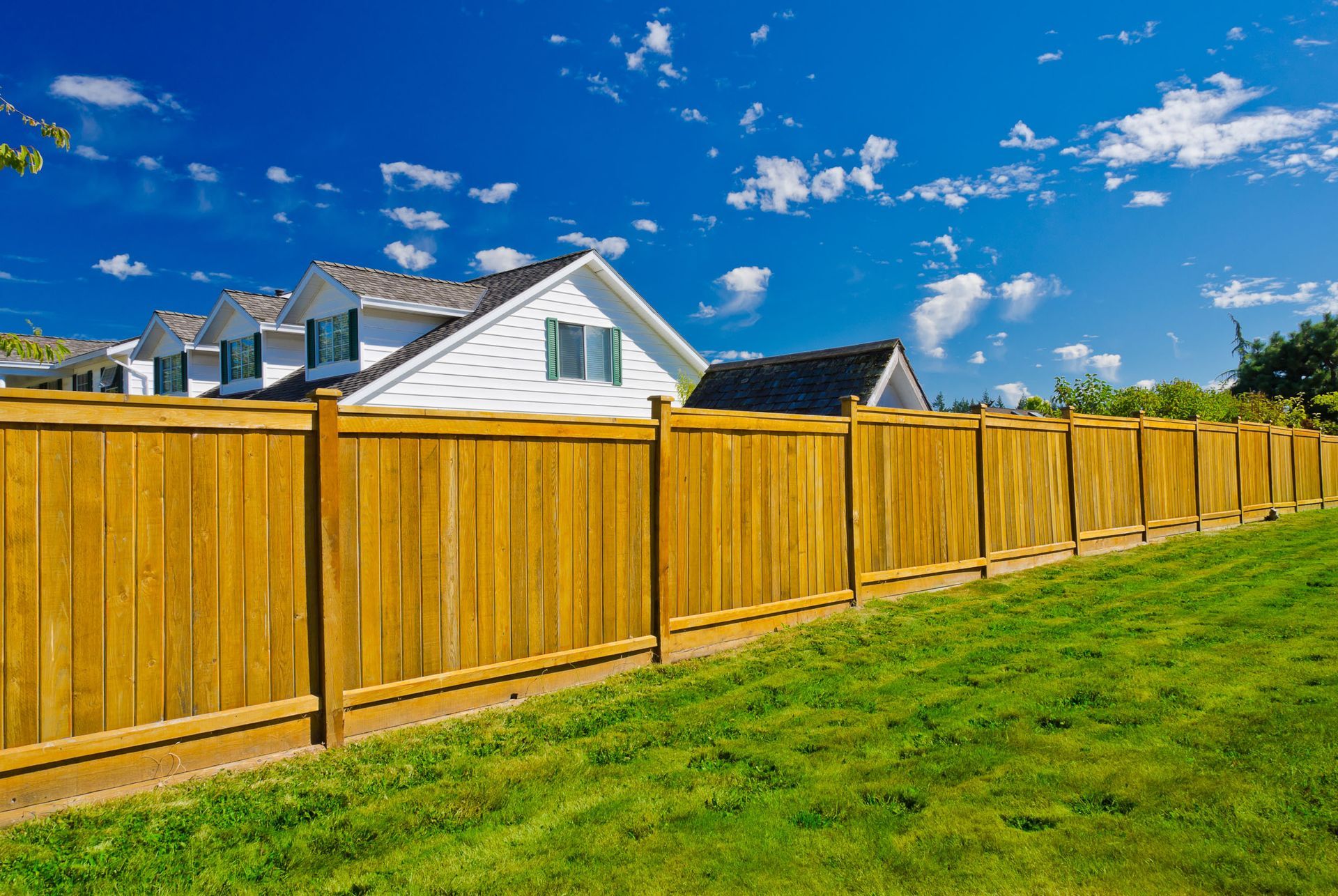
Privacy is another common motivation for installing a fence. A solid, tall structure helps shield outdoor areas from neighboring views. While wood is often chosen for privacy, a vinyl fence provides a comparable level of enclosure with uniform panels and long-term visual consistency. Balancing seclusion with design ensures the fence enhances comfort without overwhelming the surrounding space.
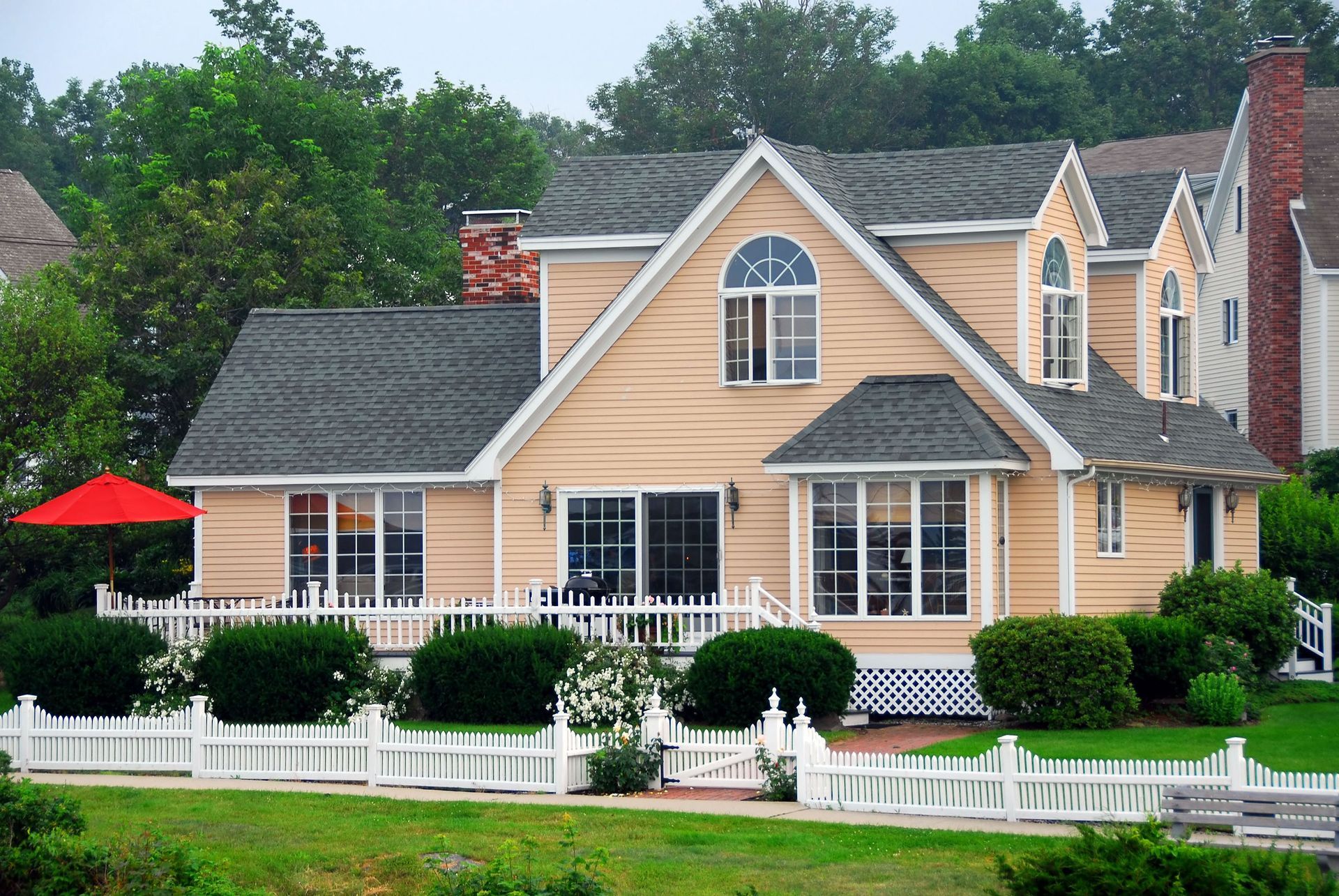
Aesthetic appeal also plays a vital role in fence selection. A fence should complement the architectural style of the home to maintain visual harmony. Whether traditional or contemporary, styles can be adapted through color, height, and detailing. A thoughtfully selected vinyl fence can integrate seamlessly into both classic and modern environments, reinforcing the property’s overall appearance.
Evaluating Available Fence Materials
Wood remains a popular fencing material due to its classic appeal and adaptability. It can be customized in height and finish, making it suitable for a wide range of styles. However, wood requires consistent care to preserve its appearance and structure. In contrast, a vinyl fence offers a streamlined alternative that maintains its finish over time while resisting environmental wear.
Vinyl fencing has gained popularity for its durability and uniform appearance. According to Bob Vila, vinyl fences are among the best fence types to invest in due to their longevity. A vinyl fence resists pests, moisture, and fading, making it a practical option for homeowners seeking consistency. Available in multiple styles and colors, this material supports both decorative and functional needs.
Metal fencing, including aluminum and wrought iron, provides strength and visual interest through decorative designs. These fences offer long-term reliability with minimal surface degradation. While metal emphasizes security, homeowners sometimes prefer a vinyl fence for properties where visibility, balance, and maintenance simplicity are priorities.
Navigating Local Laws and Regulations
Before installing a fence, it is essential to understand local zoning regulations and permitting requirements. Many municipalities have specific rules governing fence height, placement, and materials. Choosing a vinyl fence that meets these guidelines helps prevent complications and ensures compliance with community standards.
Height restrictions vary by location and property type. Residential neighborhoods often impose limits to preserve visibility and safety. Reviewing these rules early helps homeowners select a fence design that meets both legal and personal needs. A vinyl fence is frequently available in compliant height options that align with residential ordinances.
When fencing borders a shared property line, open communication with neighbors can prevent disputes. Discussing design and placement fosters cooperation and mutual understanding. A vinyl fence with clean lines and neutral styling often appeals to multiple parties, supporting harmonious boundary solutions.
Aligning Fence Design and Style
A fence should visually align with the architectural style of the home. This cohesion strengthens curb appeal and reinforces design continuity. Whether framing a traditional residence or a modern structure, a vinyl fence offers adaptable styles that support cohesive design outcomes.
Color and finish choices significantly influence a fence’s appearance. Neutral tones often blend seamlessly with landscaping, while contrasting colors create visual interest. A vinyl fence retains its color without frequent upkeep, preserving a polished appearance over time.
Customization options allow homeowners to tailor fences to specific needs. Decorative accents, panel styles, and integrated elements add character while maintaining function. A vinyl fence supports customization without sacrificing uniformity or structural integrity.
Considering Maintenance and Longevity
Maintenance requirements vary by material and significantly affect long-term satisfaction. Materials like vinyl require minimal upkeep, often limited to occasional cleaning. A vinyl fence maintains its appearance without ongoing treatments, making it an appealing option for homeowners seeking convenience.
Weather resistance is another critical factor. Exposure to sun, rain, and temperature fluctuations can affect fence performance. A vinyl fence withstands these conditions effectively, retaining shape and color across seasons without warping or corrosion.
Longevity plays an important role in material selection. Fences designed for extended use reduce the need for replacement and preserve visual consistency. A vinyl fence offers a long service life while maintaining structural reliability, making it a durable addition to residential properties.
Evaluating Environmental and Lifestyle Factors
Environmental conditions play a meaningful role in determining how well a fence performs over time. Factors such as wind exposure, moisture levels, soil composition, and sun intensity can influence material durability and appearance. Homeowners who evaluate these conditions early are better equipped to select fencing solutions that remain stable and visually appealing under local environmental pressures. Considering climate patterns ensures that the fence continues to serve its intended purpose without frequent intervention.
Lifestyle considerations are equally important when planning a residential fence. Households with children, pets, or frequent outdoor activities benefit from designs that support safe movement and clear boundaries. Fence height, spacing, and gate placement should align with how outdoor spaces are used daily. Thoughtful planning ensures the fence enhances usability rather than restricting it.
Long-term property plans also affect fence selection. Homeowners who anticipate landscaping changes, outdoor living additions, or future expansions benefit from choosing a fence design that allows flexibility. A fence that integrates well with evolving property layouts supports continuity and reduces the need for future adjustments.
Neighborhood context should not be overlooked. Fences that align with surrounding properties contribute to visual cohesion and community appeal. While individual expression is important, harmony with nearby homes helps preserve neighborhood character. Observing nearby fencing styles can offer guidance when selecting proportions and finishes.
By accounting for environmental conditions, daily routines, and long-term property goals, homeowners create fencing solutions that feel intentional and well-suited to their surroundings. This holistic evaluation strengthens both functionality and visual integration, ensuring the fence remains a positive feature of the property over time.
Selecting the right fence involves evaluating purpose, materials, regulations, design, and maintenance considerations. Each factor contributes to how the fence functions and appears over time. By assessing these elements thoughtfully, homeowners ensure their fence enhances security, privacy, and curb appeal. Whether prioritizing durability, aesthetics, or ease of upkeep, informed decisions lead to lasting satisfaction. For all of your fencing needs, contact R Champ Fencing to learn more and get started today!